





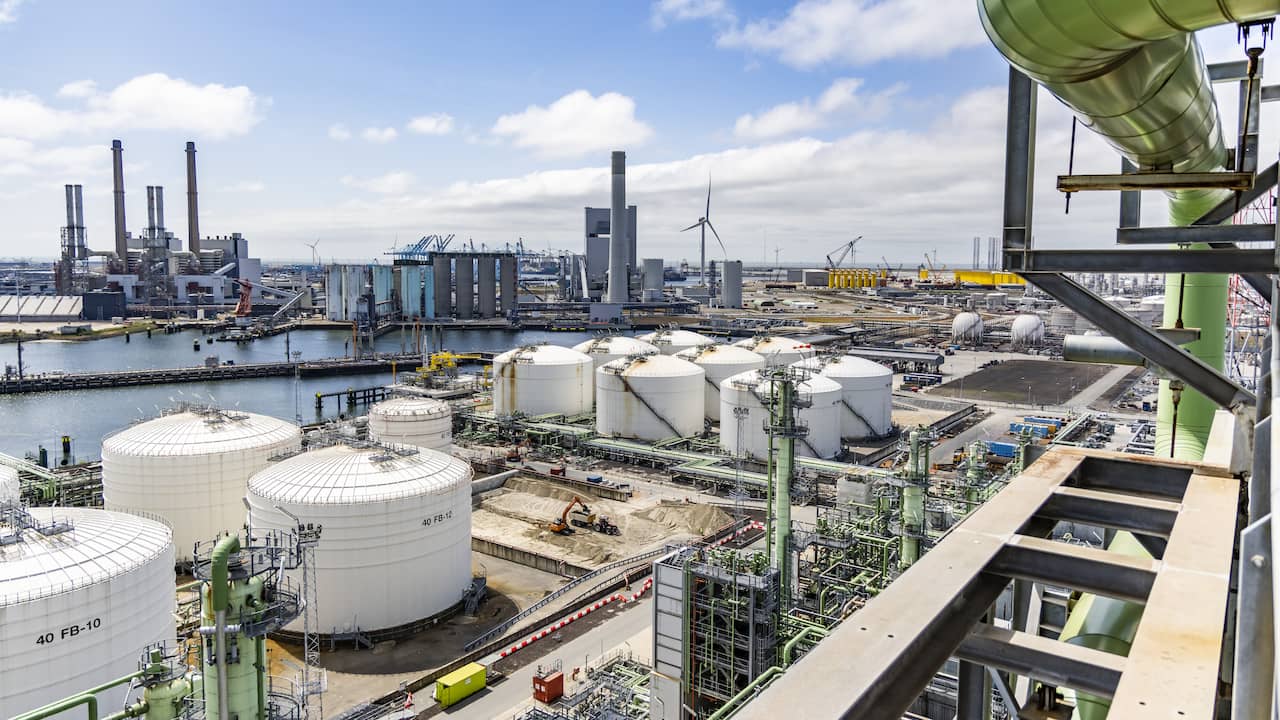
Is a little nitrogen in sand dunes negligible? On Wednesday morning, the verdict will be heard in the lawsuit against Porthos, an underground carbon dioxide storage project. In fact, the issue is about the battle of trends over climate, and in four years there will be a stalemate on the nitrogen crisis.
Het Porthos-project moet CO2 uit olieraffinaderijen in de haven van Rotterdam via een pijpleiding naar lege gasvelden onder de Noordzee brengen. Dat zou elk jaar een CO2-reductie van 2,5 miljoen ton moeten opleveren.
Spelers in het project, waaronder Shell en Exxon, krijgen afhankelijk van het succes van het project en de hoogte van de CO2-prijs maximaal 2 miljard euro subsidie. Demissionair minister Rob Jetten (Klimaat) ziet de aanpak van de CO2-uitstoot van de olie-industrie als een onmisbare stap om de landelijke klimaatdoelen te halen.
Daar denkt niet iedereen hetzelfde over. Johan Vollenbroek van actiegroep Mobilisation for the Environment (MOB), die de zaak heeft aangespannen, zegt tegen NU.nl dat hij ondergrondse CO2-opslag juist ziet als een vertraging van de overstap van fossiele naar duurzame energiebronnen.
“Nederland blijft maar doorgaan met de fossiele sector, die toch al buitensporige winsten maakt, massaal te subsidiëren. Het Porthos-project is hiervan een van de vele voorbeelden”, stelt Vollenbroek.
Stikstof van graafmachines kan in de duinen neerslaan
Toch doet de Raad van State woensdagochtend uitspraak over een ander aspect van Porthos: stikstofuitstoot. Bij de aanleg van de buis komen stikstofoxiden vrij, bijvoorbeeld uit de uitlaat van graafmachines en hijskranen. Niet miljoenen tonnen, maar 160 ton.
Een deel van deze stikstofoxiden komt in de Noordzee terecht, waar ze geen milieuschade veroorzaken. Dat kan wel het geval zijn voor het deel dat in de Zuid-Hollandse duinen terechtkomt. Porthos liet zelf een ecologisch rapport opstellen over de vraag of dat substantiële natuurschade zou geven. Dat rapport is niet openbaar.
Wel weten we dat het niet om een grote hoeveelheid stikstof gaat. De totale jaarlijkse stikstofneerslag op de Nederlandse bodem is duizenden malen groter.
Meld je aan en blijf op de hoogte over stikstof
Intractable excess nitrogen hinders construction projects
However, Porthos may run into a legal problem: Once the bucket is full, any extra drop is too much—officially. This became evident in 2019, when the same MOB won a controversial lawsuit.
This case revealed that Dutch nitrogen policy had been at odds with European environmental agreements for years. Since emissions have been very high for years, nitrogen is accumulating higher and higher in Dutch nature.
Combined with the drying and fragmentation of nature reserves, this is the main cause of biodiversity loss. and habitat degradation, especially in sandy soils.
Meer over stiksof in de duinen:
The exemption from construction decreased in the previous session
Since this nitrogen pollution continues to accumulate, there is officially no room for an increase in nitrogen emissions. And this is a lingering problem for the rest of the economy, including construction. The construction sector emits relatively little nitrogen.
To get out of this predicament, the construction industry was granted an exemption. The court declared it invalid in a previous session in the Porthos case. As long as there is no place left for nitrogen, the extent of the damage to nature must be assessed for each new construction project.
In the continuation of the lawsuit, this also applies to the Porthos project itself. There may be a final line through it.
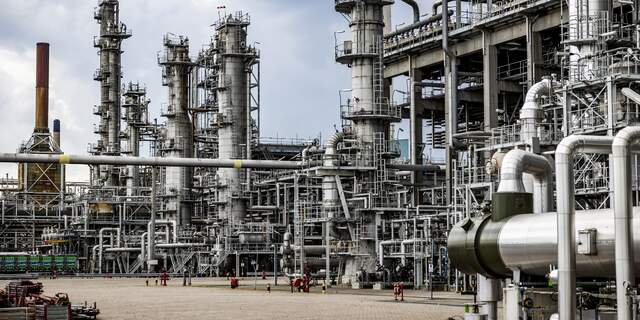 De olieraffinaderij van Shell in Pernis is de grootste van Europa.
Foto: ANP
De olieraffinaderij van Shell in Pernis is de grootste van Europa.
Foto: ANP
“Essential for the carbon dioxide storage experiment”
This does not only affect the Dutch climate targets. If we want to stay close to 1.5 degrees for the Paris Agreement, it is important that we have many options, including carbon dioxide storage. So says Detlev van Vouren, a climate researcher at the Netherlands Environmental Assessment Agency and Utrecht University.
For this, global emissions must be net zero in 2050, and even negative thereafter. Now that seems difficult without the use of carbon dioxide storage. “So it’s important to experiment with technology,” says Van Vuuren.
This hasn’t gone anywhere yet. As large storage projects are being shut down, there has been little progress in developing the technology over the past 15 years. In 2010, for example, a smaller-scale experiment near Barendrecht in the Netherlands was called off.
‘Climate change is also causing harm to nature’
The truth lies somewhat in the middle, says Van Vouren. Older climate scenarios often assumed a larger share of CO2 storage, for example in coal-fired power plants. This option is off the table because sustainable energy has grown faster in practice and has also become much cheaper than thought at the time.
But let’s not lose sight of the environmental damage caused by climate change, says Porthos spokesperson Sjaak Poppe. “If the Greenland ice sheet melts, the sea level will rise 7 meters and the fragile nature we are talking about will be flooded, so to speak.”
In short, it is a difficult case for a judge. As long as the nitrogen bucket is filled to the brim, it probably won’t be the last for a while, either.
Meer over de Porthos-zaak:

“Total coffee specialist. Hardcore reader. Incurable music scholar. Web guru. Freelance troublemaker. Problem solver. Travel trailblazer.”
More Stories
GALA lacks a chapter on e-health
Weird beer can taste really good.
Planets contain much more water than previously thought